What really is auto detailing?

February 19, 2024

If you find yourself asking this question, you've probably heard all kinds of different things about what detailing is. Truth is, detailing is a very broad topic. But we're going to sum it up for you in this post. 
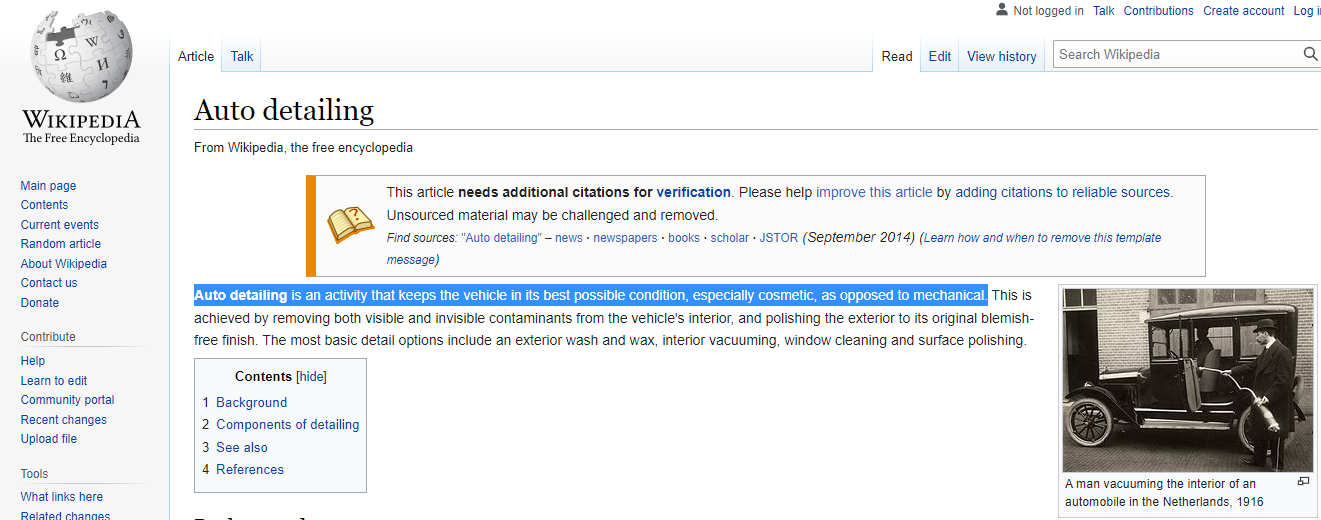
If you check out the wiki page for auto detailing, you'll see it mentions detailing is about keeping a vehicle in its best possible cosmetic condition. Now that's super broad, but a good starting point for describing detailing.
a wikipedia page with a picture of a car on it

At Procam Detailing, we consider detailing to be the maintenance of a vehicle's appearance. not necessarily keeping it in its best possible condition, this is important and we'll get back to it in a minute. Now maintaining a vehicle's appearance is important for 2 reasons. The first, obviously, is to upkeep the resale value of the vehicle. The second reason, is to make the vehicle more enjoyable.

What do I mean by more enjoyable? Well, think about it. On average, we spend about 300 hours in our vehicles a year. That's a lot of miles, dirt, dogs, and bugs on your ride. Driving a clean vehicle is a lot more relaxing than a dirty one. If you're a business with a professional vehicle, a germaphobe, or just own a really expensive car, you probably know what I mean by more enjoyable.

There are 3 critically important principles for detailing

Now we have a broad idea and reasons for detailing your car, so what really is detailing? The 3 important principles that most detailers go by are:

  1. Cleaning the vehicles, includes basic cleaning, all the way to deep cleanings like shampooing and decon.
  2. Restoring the vehicle. not everything can be cleaned. Sometimes detailers will specialize in things like leather repair, scratch removal, or even dent removal.
  3. Protection of the vehicle. This used to mean simply waxing a car, but the meaning has evolved dramatically in recent years.

So there's the simple answer, Detailing is about cleaning, restoring, and protecting the appearance of your vehicle. With that being said, remember that there are a hundred different ways to perform these steps, so each detailer has a lot of room to choose what specific services they offer, and often what their end goal with your vehicle is. That's why you'll find detailers that cost $100 and others that cost $2000. It all depends on their services, and what sounds good to you.
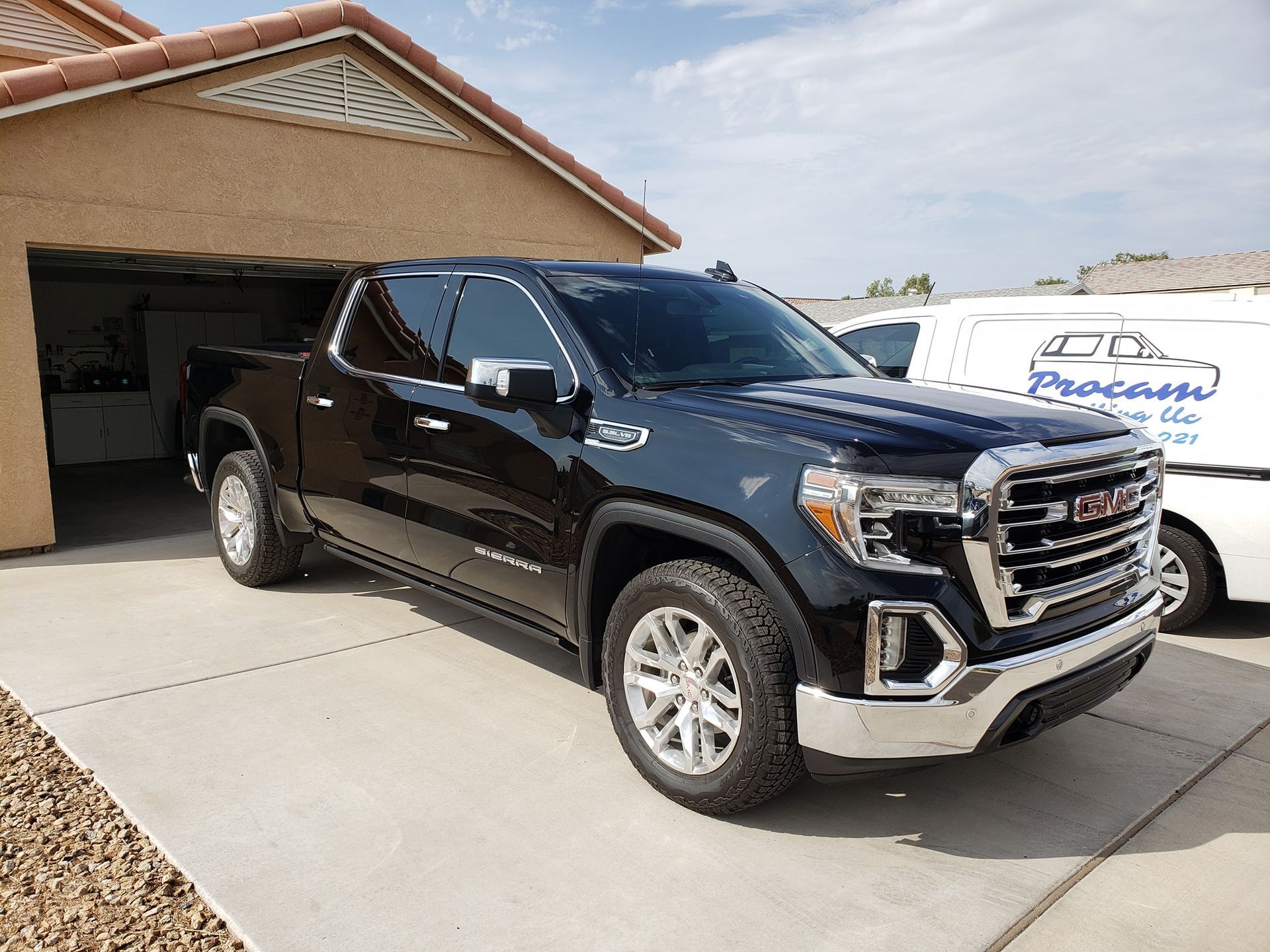
a black gmc sierra pickup truck is parked in front of a garage .

"Wait, so why wouldn't you want your vehicle to look its best possible condition?"

This is something I want to highlight with you, especially concerning expensive, and classic cars. This topic is extensive and deserves its own post, so I'll keep it brief.

When wet sanding, compounding, or even polishing a vehicle's paint, we remove a tiny layer of the clear coat. An owner, or detailer, may want to remove all scratches and make the paint look glossy and immaculate, but removing too much clearcoat can completely ruin your vehicle's paint job. This isn't so risky on newer cars, but on older cars or ones with a thin clearcoat, aiming for its best appearance, may not always be possible. This is why many detailers will use paint gauges when polishing a car.

I hope now you have a better understanding of what auto detailing is. 

We clean vehicles, restore them if their appearance is damaged somehow, and protect them from getting too dirty in the future.
By Daniel Ortega April 21, 2026
Most people think tire shine is what slings all over their paint and leaves those ugly spots down the side of their car—but they’re dead wrong. The real culprit is what’s already on the tire before the shine ever touches it. Brand new tires come coated from the factory with what’s called a mold release agent, along with protective chemicals that help preserve the rubber during storage and transport. That sounds like a good thing—and it is—but here’s the problem: those coatings don’t allow tire shine to properly bond to the rubber. So when you apply a dressing straight onto a new (or uncleaned) tire, it just sits on top of that layer instead of soaking in. That’s why it looks good for a day, then quickly fades, turns blotchy, or worse—gets flung onto your paint while driving. What most people don’t realize is that even brand new tires are actually “dirty” in the ways that matter. Until that factory residue is removed, no tire shine—no matter how expensive—will perform the way it’s supposed to. The right process starts with a deep tire cleaning. Using a dedicated cleaner and proper agitation, we break down and remove those built-in coatings, along with any grime the tire has already picked up. You’ll actually see the difference during the process, as the suds pull out that brown residue from the rubber. Once the tire is truly clean, that’s when a dressing can bond correctly—giving you a darker, richer finish that lasts longer and doesn’t sling. This is where the difference shows. Anyone can apply tire shine in a few minutes. But taking the time to properly prep the tire is what separates a quick detail from a professional result. If you’ve ever been frustrated with tire shine not lasting or leaving a mess on your paint, it’s not the product—it’s the prep. And that’s exactly where I come in. I make sure your tires are properly cleaned and prepped first, so when the finish goes on, it actually stays, looks better, and performs the way it should.
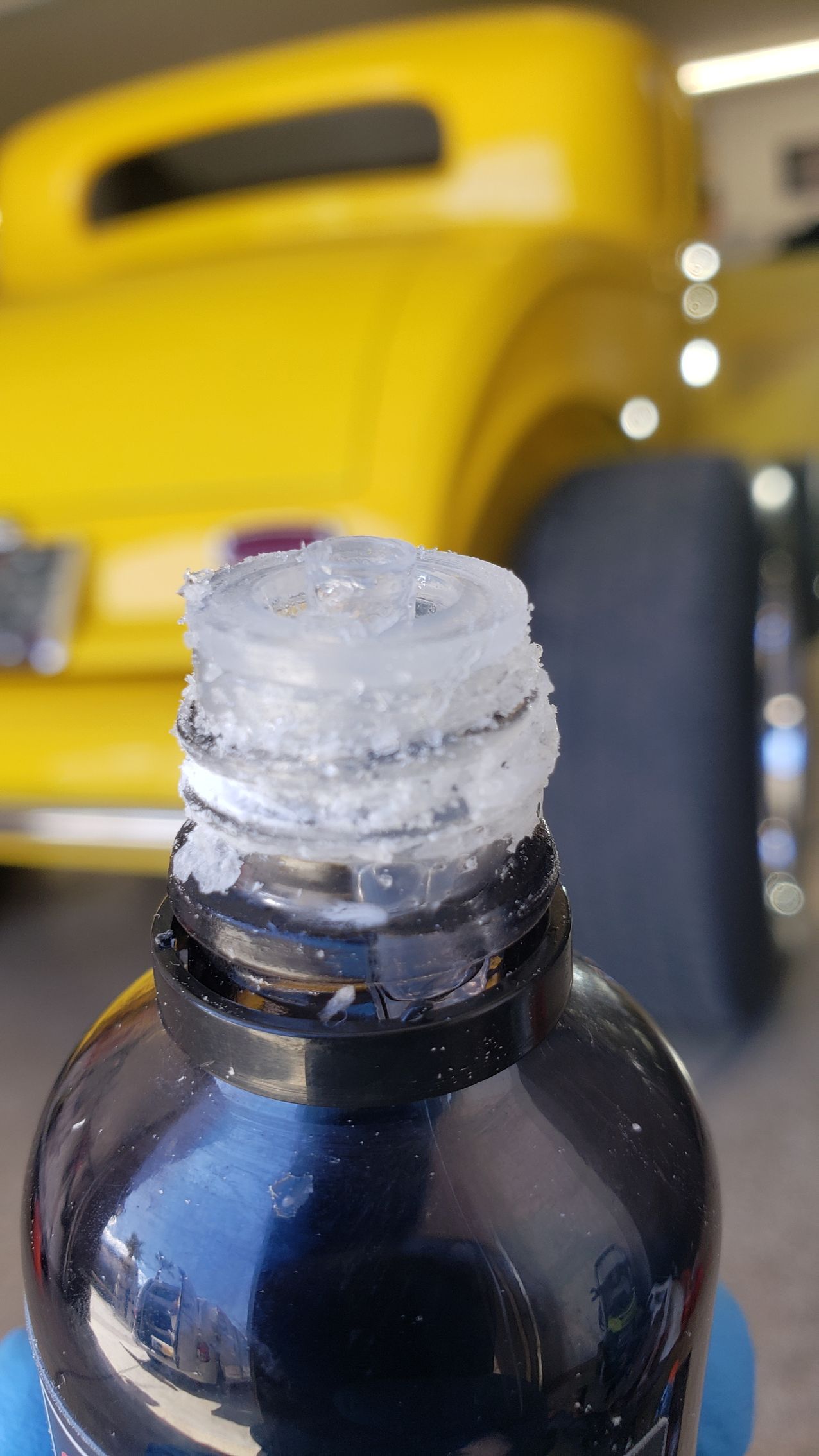
ceramic coating bottle that has hardened under the cap
By Daniel Ortega July 14, 2024
When it comes to protecting your vehicle's exterior and keeping it looking pristine, ceramic protection has become the gold standard in the automotive detailing industry. However, there is often confusion between ceramic sprays and ceramic coatings. At Procam Detailing and Ceramic Coating, we believe in educating our clients so they can make the best choice for their vehicles. In this blog post, we'll break down the differences between ceramic sprays and ceramic coatings, and help you understand which option might be right for you. What is Ceramic Protection? Ceramic protection involves applying a liquid polymer to the exterior of your vehicle. This layer enhances the car's gloss, repels water, and protects against environmental contaminants like dirt, bird droppings, and UV rays. The ceramic formula is typically composed of resins, solvents, and other additives. The resin is often a silicone-based polymer that is chemically inert. Activators and solvent help harden the coating once it is applied and exposed to air. This forms a covalent bond to the paint. Because Ceramic sprays are water-based and do not contain an activator, they simply sit on the surface of your paint and do not form bonds. Ceramic Sprays: The Basics Ease of Application: Ceramic sprays are user-friendly and can often be applied at home. They require less prep work compared to ceramic coatings and can be applied by simply spraying and wiping. Ideal for DIY enthusiasts or those looking for a quick and easy application process. Short-Term Protection: While ceramic sprays do provide a protective layer, they are not as durable as ceramic coatings. Typically, a ceramic spray can last between 3 to 6 months before needing reapplication. Great for those who prefer frequent, light maintenance. Cost-Effective: Ceramic sprays are generally more affordable than ceramic coatings and have multiple uses per bottle versus the single application of a ceramic coating. Perfect for car owners looking for a cost-effective way to maintain their vehicle's shine and protection. Hydrophobic Properties: Ceramic sprays offer good water-repelling properties, making it easier to clean your car and keep it looking shiny. Suitable for car owners who want to enjoy the benefits of hydrophobic properties without committing to a long-term solution. Even though both coatings and sprays offer hydrophobics, ceramic sprays do not have the durability and resistance of a ceramic coating. Ceramic Coatings: The Premium Choice Professional Application: Ceramic coatings require professional application to ensure a flawless finish. The process involves meticulous prep work, including paint correction, to ensure the coating bonds properly. The surface must be free of any contaminants, waxes, oils, and even ceramic sprays to ensure the coating bonds to the paint. Ideal for car enthusiasts who seek a professional finish and are willing to invest in a high-quality application. Long-Term Protection: Ceramic coatings provide long-lasting protection, typically ranging from 2 to 5 years, depending on the product and maintenance. They form a much harder, more durable layer than sprays. It is difficult to ensure a coating lasts more than 3 years, this makes frequent care and regular washings integral to upkeeping the performance of the coating. Perfect for car owners who want a long-term solution and are committed to maintaining their vehicle’s pristine condition. Superior Durability: Ceramic coatings offer superior resistance to environmental contaminants, UV rays, and minor scratches and marring from regular use. They are highly durable and provide extensive protection compared to sprays. Best for those who want the highest level of protection and are willing to invest in it. Enhanced Aesthetics: The glossy finish of a ceramic coating is unparalleled. It provides a deep, reflective shine that significantly enhances the appearance of your vehicle. Ideal for car enthusiasts who take pride in their vehicle’s appearance and want it to look its best at all times. Which Should You Choose? The choice between ceramic sprays and ceramic coatings ultimately depends on your needs, budget, and commitment to maintenance. If you’re looking for an easy, cost-effective way to protect your vehicle and don’t mind reapplying every few months, a ceramic spray might be the right choice for you. However, if you’re seeking long-term, durable protection and are willing to invest in a professional application, a ceramic coating is the way to go. At Procam Detailing and Ceramic Coating, we offer both ceramic sprays and professional ceramic coating services to cater to your specific needs and even sell these products to the DIY car enthusiasts. We're here to guide you through the process and help you choose the best option for your vehicle. Contact us today to schedule a consultation and let us help you keep your car looking its best for years to come!
More Posts